
Surfing Cactus Beach, South Australia: My Road-Trip Stop Before the Nullarbor

If you’re dreaming of surfing in Cactus Beach, South Australia, you’ve found your guide to this off-the-beaten-path dream destination. While you won’t see any cactus plants, you’ll see the wild and untamed side of South Australia at its best.
Also known as Point Sinclair National Surfing Reserve, this place is not just another dreamy surf break. Here, you can find waves that cater to all levels, from the mellow left to the punchy and barrelling right. Everyone will enjoy a ride!
Getting there is no easy task, but it sure is a rewarding one. On the way, you’ll see the beauty of the desert plain, pass a pink lake, and see some amazing sand dunes.
So let me tell you how I found this amazing surfing beach and what you should expect when surfing there. I’ll cover everything from how to get there to what to bring and the best conditions. let’s go!
No time to read? Here are the key takeaways!
Best Time Of The Year– Autumn (March To May)
Where To Stay– Point Sinclair Campground
Beginner Spot– Cactus (the break)
🏄 My trip
I stopped at Cactus Beach in March 2024, on a road trip just before crossing the Nullarbor. I only had the day, so I surfed the Cactus break and kept driving. The info on Castles and Caves comes from what I saw that day and from the locals I chatted with.
Where Is Cactus Beach Located?

Cactus Beach is Located in South Australia, about an hour’s drive from Ceduna, the “biggest” town in the area. Getting there without a car would be a real challenge.
But technically you could fly to Ceduna Airport and take an expensive taxi ride to the beach or better yet rent a car for a couple of days and explore the area.
I stumbled upon this amazing place as i was crossing the Nullarbor Plain, a dry story for a different blog post. But many locals have told me about this amazing surf break called Cactus Beach, so I had to check it out.
Or just open Cactus Beach in Google Maps.
As soon as you get to Penong, a small town along the highway, make sure you have all the supplies you need because there are no shops elsewhere.
That includes water, food, snacks, fuel, or anything else you might need for a couple of days at the beach. In fact, I would suggest doing it in Ceduna, as there are more options and it is slightly less expensive.
When Is The Best Time To Surf In Cactus Beach?

Timing your trip with the best condition for your ability is always the trickiest part of planning a surf trip. Always be honest about your skill level and plan accordingly. Most important, be flexible as it won’t always go according to your plans but that’s the beauty of it all.
Summer (December to February) is probably my least favorite season to visit Cactus Beach. Not only will the flies be annoying you all day, but the heat is almost unbearable. The swells can be unpredictable, and the wind often blows onshore, making it hard to score epic waves.
Autumn (March to May) is the best time to surf at Cactus Beach. The water temps are bearable—around 19-20°C (so yeah, you’ll still need a 3/2 wetsuit)—and the swell is consistently good. You get those nice southern swells that line up perfectly with the reef breaks.
Plus, the winds tend to be offshore in the mornings, giving you that crisp, clean surf we all dream about. It’s also not as scorching hot as summer, which is a huge plus when camping out in the middle of nowhere.
Winter (June to August) brings colder water and bigger, gnarlier swells. You will get lucky with some epic waves, but the conditions are harsher overall. That said, there are fewer people, which can be nice.
Spring (September to November) is a bit of a wild card. You can get some decent waves, but the winds can be unpredictable. There’s something special about this time of year, though. The wildflowers in the surrounding desert start blooming, and the sunsets? Absolutely unreal.
Pro Tip: keep an eye on the swell direction. Cactus Beach works best with a southwest swell. Anything else, and you might end up with some pretty inconsistent waves. Checking the forecast before you go is a must.
Surf Spots At Cactus Beach
This area’s coastline is full of potential waves and epic surf breaks. If you’re keen on surfing waves all to yourself and have a reliable 4WD and like-minded friends, be sure you’ll score!
But for most people, getting to Cactus Beach is already a mission by itself, so I’ll go ahead and break down the surf spots along this beach so you’ll know where to paddle out.
Castles: Perfect for Intermediate Surfers

If you’re somewhere between a beginner and a seasoned pro, Castles is your best bet. It’s got a pretty consistent break, especially when the southwest swell rolls in, and the waves aren’t too intimidating for intermediates. That said, don’t get too cocky—it’s not a mellow beach break. The waves can pack some punch, especially on a bigger day.
Caves: No Beginners Allowed

Seriously, it’s not a spot for beginners or intermediates who are not comfortable with fast, hollow, and big waves breaking over a shallow reef. On the right swell, you can get head to double overhead high barreling waves in here!
Time your paddle out right to avoid being caught inside on a set, and as always, practice surf etiquette and respect the locals in the water.
I haven’t surfed this spot as the swell wasn’t big enough for it to break properly. But hearing stories from the locals and seeing their eyes pop wide open says it all.
Cactus: The Go-To Spot for Beginners

On the flip side, Cactus is way more beginner-friendly. The waves here are much more forgiving, with softer, slower breaks that are perfect for practicing your pop-up or just getting used to being in the lineup.
It’s a great spot for beginners who want a taste of the Cactus Beach scene without getting thrown into the deep end—literally and figuratively.
Keep in mind, on bigger swells, it can be more challenging for beginners, so be sure to check the forecast before you go.
Pro Tip: All the spots on this beach are reef breaks. Wearing booties will help protect your feet from cuts and keep you warm for longer in the water.
Hazards and Safety Considerations

One thing about Cactus Beach that you’ve got to respect is how wild it is. This place isn’t a commercialized surf hub with lifeguards and cafes. You’re on your own out here (well, with other adventure seekers…), so safety is key.
Reefs: As mentioned earlier almost every surf spot at Cactus Beach has some sort of reef to navigate. Keep an eye on the tide and always, always wear booties if you’re unsure. The rocks are sharp, and a misstep can end your session real quick.
Currents: Strong currents are common, especially on windy days. Make sure you’re paddling with purpose, and if you feel yourself getting dragged, don’t fight it—paddle sideways to escape the current.
Sharks: Look, no one likes to talk about it, but sharks are around. This part of South Australia is known for them, so it’s worth being cautious. Surfing with a buddy and avoiding dawn or dusk sessions is always a good idea.
Cactus Beach is about as raw and wild as surfing gets in Australia. If you respect the environment and know your limits, you’re going to have an unforgettable experience.
Just make sure you’re prepared for the elements—and maybe bring a first aid kit for good measure and always have a good travel insurance for when things go south.
Where To Stay At Cactus Beach
Honestly? I didn’t stay. The campground behind the dunes at Point Sinclair needs to be booked ahead, and I didn’t know that. So after my session I just hit the road again. Learn from me and call ahead!
The campground is on private land and the owner lives on site. There are no online bookings, so call ahead (the Ceduna Visitor Centre can help: 0428 917 217). Campers mention about AU$17.50 per person per night, and the Ceduna tourism site lists flushing toilets, bore-water showers and firewood. Still, bring your own drinking water, at least 3 to 4 liters per person per day.
The other option is to stay in the small town of Penong, where you have a couple of motels and one Caravan Park with more facilities.
Things To Do In The Area
Let’s be real, surfing at Cactus Beach is amazing, but you’re not going to be in the water 24/7. Lucky for you, the surrounding area is packed with unique sights and experiences. So, when the swell dies down or you just need a break, here are some things you can do to soak in the local flavor.
Take Pictures At The Pink Lake
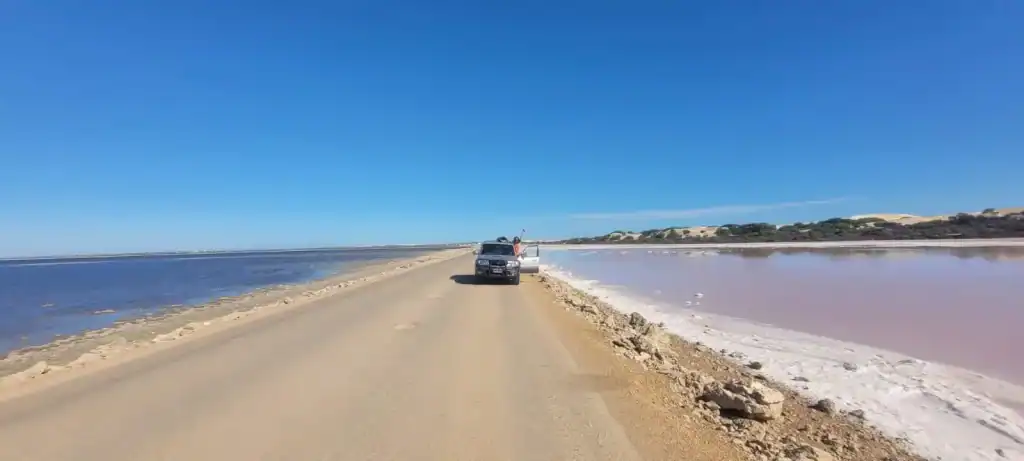
The pink lake is on the way to the beach so you stop and enjoy the beauty of the pink water. The perfect shot would be from a drone capturing both lakes one blue and the other pink with the road separating the two. But if you don’t have a drone a simple smartphone would do as well.
The pink color comes from a species of bacteria that thrives in salty environments. So, generally speaking, the lake might be less colorful after rainy days.
Visit Point Sinclair Jetty
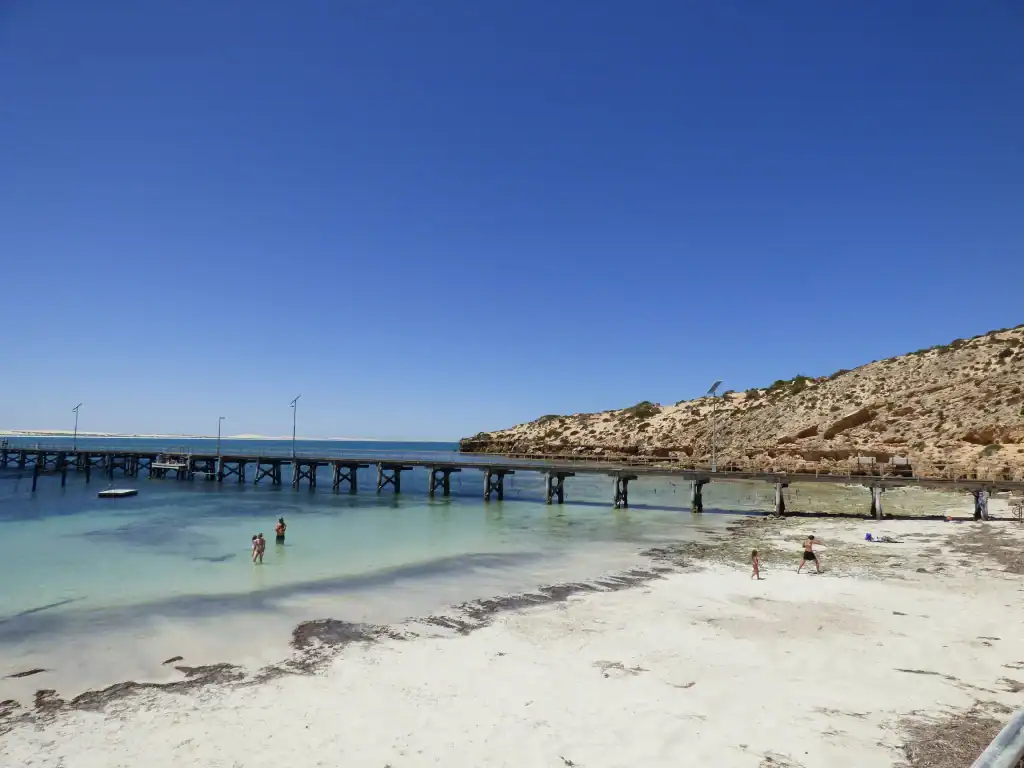
This spot is on the other side of the peninsula. the bay is protected from waves and has a shark enclosure. Great for taking the family for a swim without worrying what might be swimming underneath.
There’s a picnic spot but shade is limited so having an awning is a big plus.
Check Out the Local Wildlife
Out here in the wilds of South Australia, the local wildlife is no joke. I’ve spotted kangaroos, emus, and even eagles on the drive to Cactus Beach.
If you’re lucky, you might even see some sea lions or dolphins near the beach, and if you’re really lucky (or unlucky, depending on how you feel about it), you might spot a shark while you’re in the lineup.
Outside of the water, though, keep your camera handy because you’ll run into all kinds of animals.
Conclusion
Cactus Beach was one of those stops I’ll never forget. One day, one session at the Cactus break, flies everywhere and a whole lot of empty desert around it. It’s raw and remote, and that’s exactly the point.
If you’re driving across the Nullarbor, don’t skip it. Stock up in Ceduna or Penong, book the campground ahead (unlike me, haha), and give yourself more than one day.
Frequently Asked Questions
Are there any dangerous marine animals at cactus beach?
Like many surfing locations in south australia, cactus beach is known to have some risks associated with marine wildlife, particularly great white sharks. While shark encounters are rare, it’s essential to remain alert and informed about the local wildlife. Surfers should consider surfing in groups, avoiding dawn and dusk when sharks are more active, and keeping a close eye on the water.
What amenities are available at cactus beach campground?
The Ceduna tourism site lists flushing toilets, bore-water showers and firewood. Facilities can change, so call ahead and bring your own drinking water anyway.
What are the best surf spots at cactus beach?
There are three main breaks. Caves is a heavy, hollow right over shallow reef, for experienced surfers only. Castles is a punchy wave for intermediates. Cactus is the most forgiving of the three, and it’s the one I surfed. They all break over reef, so booties are a good idea.
