
Best Time to Surf Santa Teresa Costa Rica: Green Season vs Dry Season, and Where I’d Paddle Out
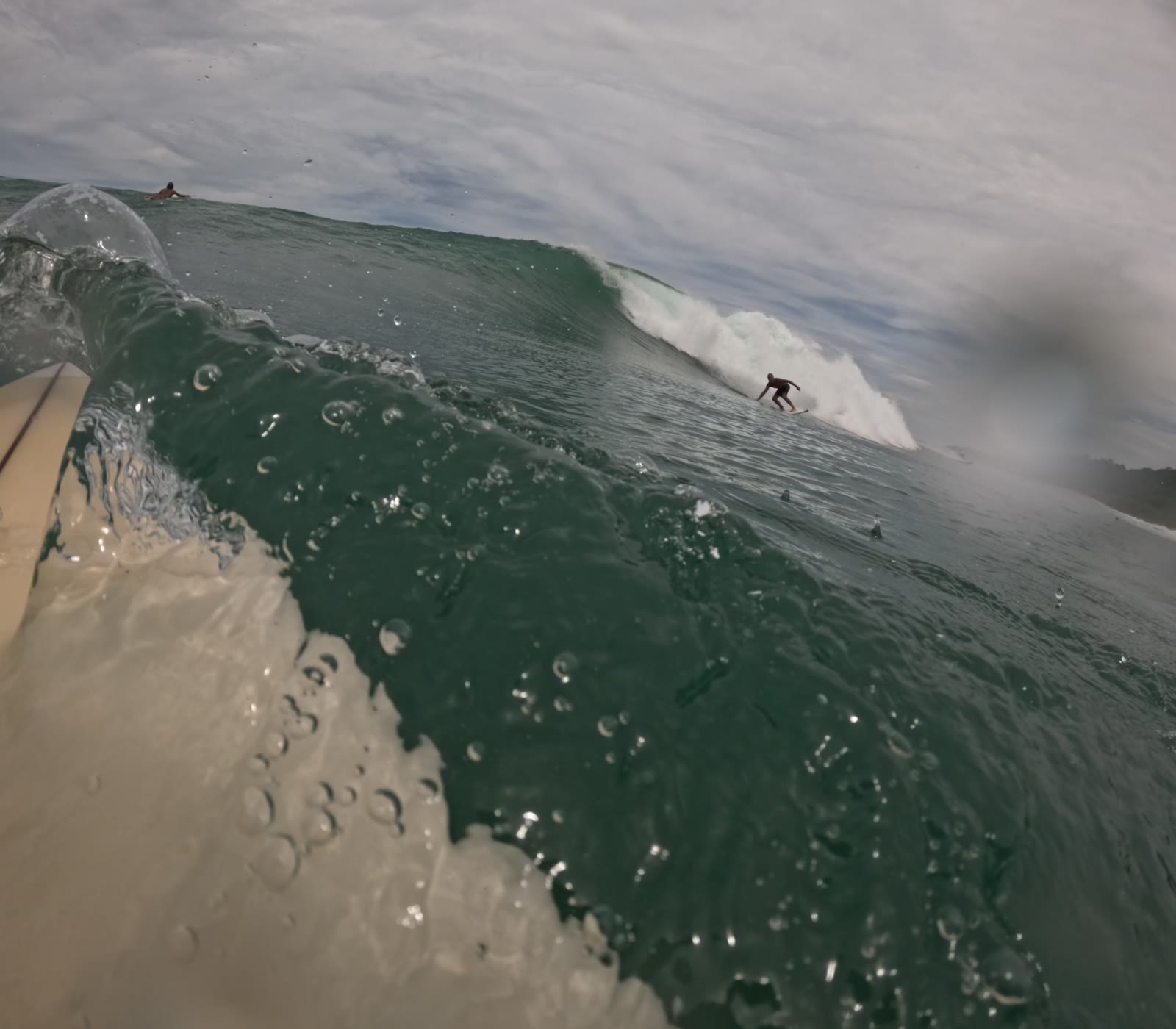
The best time to surf Santa Teresa Costa Rica depends on your level, and I’ve surfed through the green season enough to have a clear answer. The short version: the green season brings bigger, more powerful waves from the south swell season, and the dry season brings friendlier, busier surf from north swells.
The good thing is that you will find surf in Santa Teresa no matter when you come here. But if you’re looking to score, then you definitely need to plan ahead. If surfing is another activity and not your main focus, then you’ll be fine any time of the year, with the dry season as your best bet.
I’ve covered everything you need to know about surfing in Santa Teresa, including the best time to surf here. But in this post, I will focus on the surf, swells, tides and weather so you can plan accordingly.
In a rush? Go in the green season if you’re an intermediate or advanced surfer who wants size and fewer crowds. Pick the dry season if you’re a beginner who wants a softer, busier lineup.
TL;DR: Best Time to Surf Santa Teresa Costa Rica
- Best for experienced surfers: green season, with south groundswells and low to mid tide.
- Best for beginners: dry season, with north swells and high tide.
- Best time of day: mornings, when the wind is offshore or light.
- Watch out for: strong rips, and exposed rocks at Mar Azul and Cabuya at low tide.
🤙 Heads up: some links in this post are affiliate links.
The Best Time to Surf Santa Teresa Costa Rica by Skill
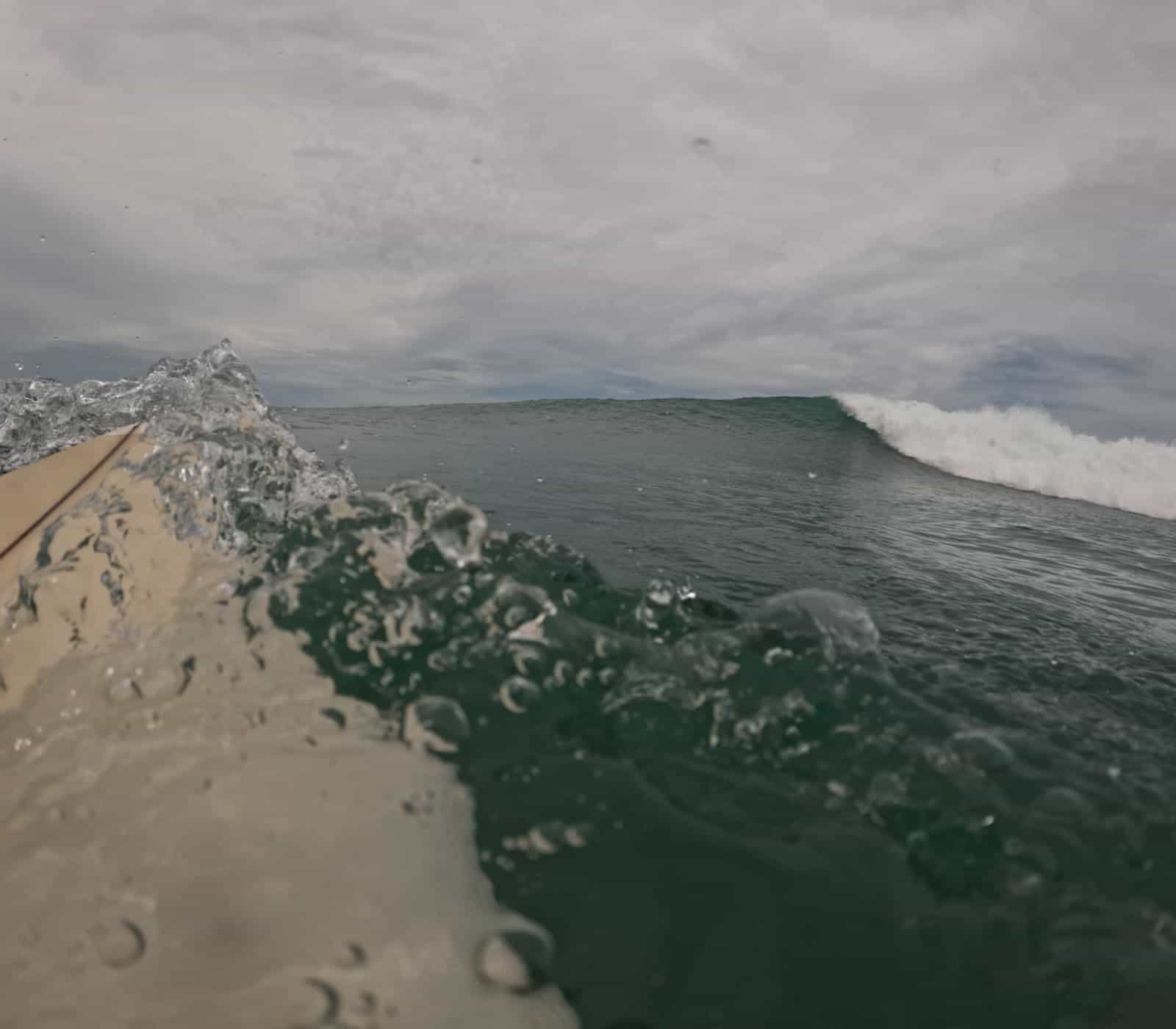
If you’re learning, the dry season is the easier place to start. If you’re an intermediate or advanced surfer, the green season gives you more power and a more experienced lineup. Either way, the tide and the wind matter as much as the season, so read the day, not just the month.
Green Season: More South Swell and More Power

In the green season, the swell comes mainly from the south. Anything from the south is bigger on Santa Teresa’s main beach and at Playa Hermosa. Those south groundswells are what make the green season powerful.
Smaller swells can also form from local storms. Those show up as windswells rather than groundswells, so they’re less consistent and easy to miss in a forecast.
I’ve seen 6 to 8 foot swells that still didn’t close out the main beach. How the waves break depends on the sand and on the exact swell angle. A small change in angle can make a big difference.
Who Will Enjoy the Green Season Most
Intermediate and advanced surfers, budget travelers, and anyone who wants fewer crowds in the lineup. Bigger surf filters out people who can’t handle it, so the water is more experienced. Advanced surfers will get the most out of a big south swell, and intermediate surfers can find good sessions on smaller days.
Dry Season: Smaller North Swells and Easier Planning
The dry season brings north and northwest swells. Those aren’t usually the biggest waves of the year. Local surfers say the wind is cleaner and the sand is in better shape during these months. The dry season runs roughly from December through March, which is the window most people think of when they plan a trip around surf.
Who Will Enjoy the Dry Season Most
Beginners and families. The lineup is busier, with more beginners in the water, so it’s a good place to learn with more room to practice. Smaller, more forgiving waves give new surfers time to stand up and find their footing.
Green Season vs Dry Season for Surfing
| Green season | Dry season | |
|---|---|---|
| Swell | Mainly from the south, bigger | From the north, usually smaller |
| Wind | Offshore or light mornings, onshore afternoons | Local surfers say cleaner wind |
| Lineup | Fewer people, more experienced | Busier, more beginners |
| Best for | Intermediate and advanced surfers | Beginners and families |
The Best Time of Day to Paddle Out

Mornings are the window. In the green season, the wind is usually offshore or light early on, and that’s when the surf is cleanest. By afternoon, the wind usually turns onshore and the waves get choppier.
This is what I saw on most days this season, not every day.
Why Mornings Are Usually the Safest Bet
Offshore or light wind and a less crowded lineup make morning sessions the time to paddle out. A dawn patrol session is the best chance for clean water, especially if you’re learning or surfing a bigger swell.
How to Judge an Afternoon or Sunset Session
Some days the wind dies down in the evening, and you get a clean sunset session. Other days it drops but the water stays choppy, and the waves can get blown out. Watch the water for a few minutes before you paddle out.
Use the Tide to Match the Break to Your Ability
The tide changes the shape of the wave, so it matters as much as the swell.
Low to Mid Tide for More Experienced Surfers
Low to mid tide is my pick for the best surf in Santa Teresa. The waves have more shape and power. The tide controls how much water sits over the sandbars, and at lower tides the waves get faster and steeper. I plan most of my sessions around the tide, and I’ll often wait for it to drop before I paddle out.
High Tide for a More Forgiving Session
High tide puts more water over the sandbars, so the waves break softer and fatter. That’s why it’s the better choice for beginners. But in a 6 to 8 foot swell, high tide is still challenging at the main beach and at Playa Hermosa. The swell matters more than the tide.
For a small swell, a beginner can usually find a good session between about 1 and 4 feet at high tide, depending on experience and how comfortable they are in the water.
Where to Go When the Main Beach Is Too Big

When the main beach is too much, two more sheltered spots are worth knowing.
Mar Azul: Shelter With Important Hazards
Mar Azul is a good option when the main beach is too big. Watch for exposed rocks, and don’t surf it at low tide. The tide exposes too much rock there to surf safely.

Cabuya: A Backup That Still Needs Respect
Cabuya is another sheltered option. The same rule applies: avoid low tide because of the exposed rocks, and check the tide before you go.
Crowds, Rip Currents, and Lineup Etiquette
Read Rip Currents Before You Paddle Out
Strong rips are the biggest hazard here. If you get caught in one, don’t fight it. Stay on your board, paddle parallel to the beach until you’re out of the pull, and then come in. Rips often run through channels of faster-moving water, so look for them before you paddle out.
Keep the Lineup Friendly and Predictable
Locals are friendly, but respect the lineup. If a spot is full of locals who are surfing well, move on to another peak. The beach is wide open, and there’s always another spot. Local knowledge goes a long way, so ask a surf shop where the locals are surfing that day.
A Simple Routine Before You Paddle Out
Before You Paddle Out: Routine
Check the swell and the tide. Low to mid tide is my pick for experienced surfers. High tide is more forgiving.
Look at the wind in the morning. Wind changes how the waves break, so check it before you commit.
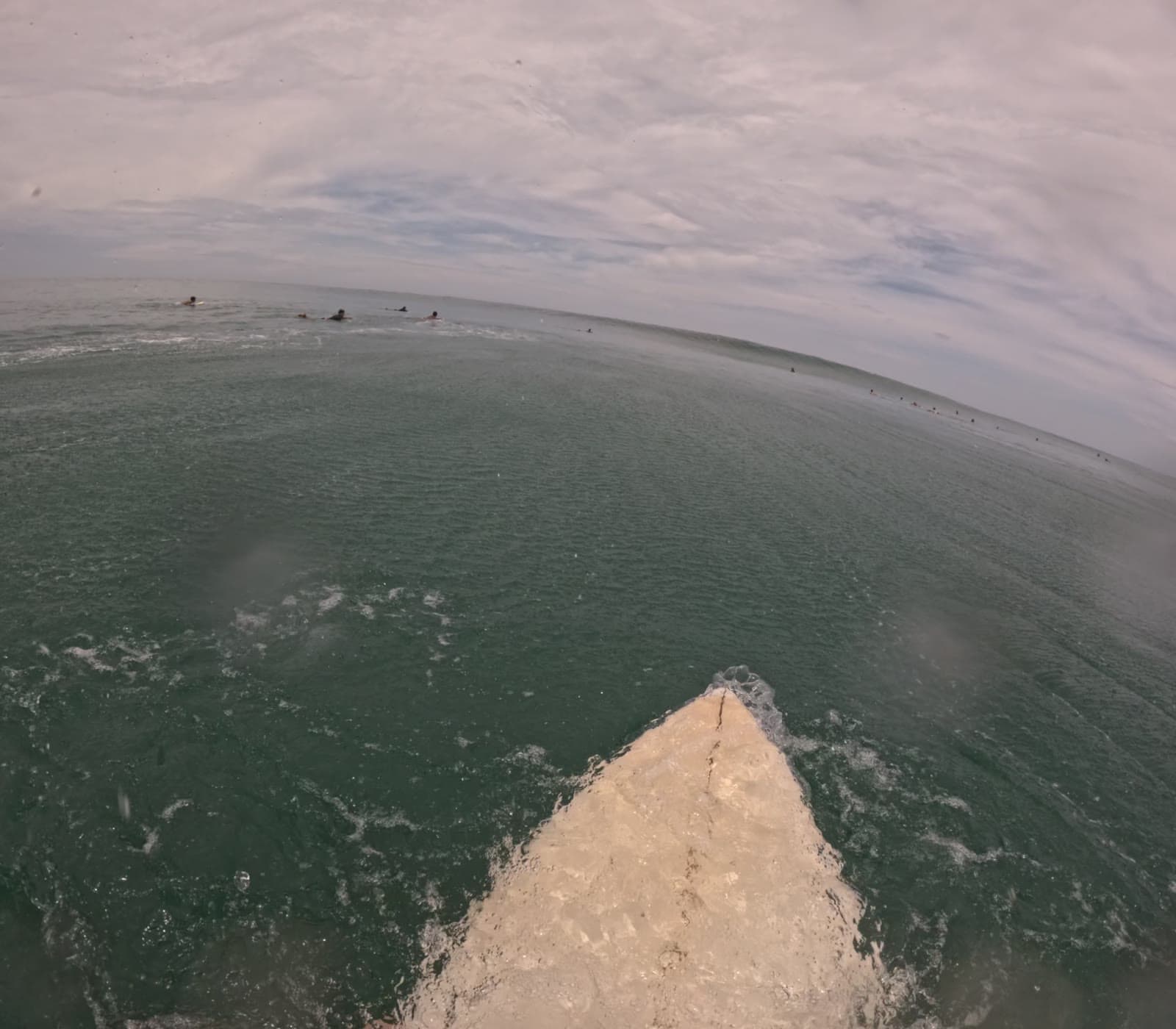
Watch a few sets from the sand. Count the sets and see where people are sitting before you paddle out.
Read the rip currents first. Strong rips are the biggest hazard here, so find the channel before you paddle out.
Pick a beach that fits your level. If the main beach is too big, look at Mar Azul or Cabuya, and respect the hazards at both.
Know who has priority in the lineup. Whoever is closest to the peak has right of way. Never drop in on someone else’s wave.
Paddle out when it fits your level. Trust your read. If the sets look bigger than you want, wait on the sand.
Tell someone where you are going. Let a friend or the people you are staying with know your spot and when you expect to be back.
Conclusion: Pick the Season That Matches Your Level
Santa Teresa has good surf most of the year, but the season changes who the surf is for. Green season is for surfers who want size and an experienced lineup, with south groundswells. Dry season is for beginners and families who want a friendlier, busier beach, with north swells. Check the tide, watch the wind, and pick the spot that matches your level.
Want the bigger picture? See where I’d surf every month of the year, or my best surf spots in Costa Rica.
FAQs
When is the best time to surf in Santa Teresa?
It depends on your level. The green season brings bigger south swells and fewer crowds. The dry season brings friendlier waves from north swells and a busier lineup. Beginners usually do better in the dry season.
Is the green season or dry season better for surfing Santa Teresa?
Neither is better for everyone. The green season suits intermediate and advanced surfers who want size. The dry season suits beginners and families.
What time of day and tide are best for surfing in Santa Teresa?
Mornings are usually the best bet, when the wind is offshore or light. Low to mid tide is my pick for experienced surfers. High tide is more forgiving for beginners.
Where should I surf when the main beach is too big?
Try Mar Azul or Cabuya. Both are more sheltered, but watch for exposed rocks and avoid low tide.
