Is Surfing the Mediterranean Sea Really Worth It?

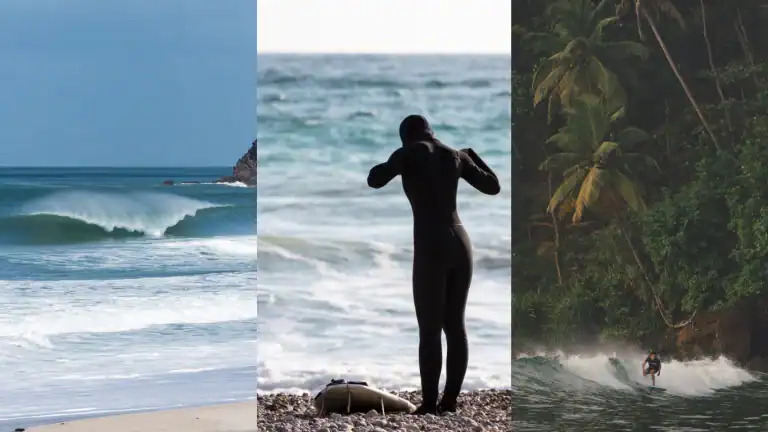
If you’re wondering whether surfing the Mediterranean is actually a thing, the short answer is YES.
A longer version of the answer will be covered throughout this blog post.
But let me tell you right now, I learned to surf in the Med and for the first 3 years of my surfing journey I surfed every single day (well, almost you know..)
While the waves are nor consistent as it would be in the Ocean. There’s still a lot of good surfing to be found on the Mediterranean coast.
You probably heard about surfing in Sicily or Sardinia in Italy (my personal favourite)
But there are plenty of other surf spots hiding in plain sight, just waiting to be discovered by adventurous surfers.
Let’s dive in shall we?
Affiliate Disclosure:
Heads Up! Some links on this website are affiliate links. This means if you click on them and make a purchase I earn a small commission. No extra cost for you! Don’t worry I won’t promote anything I won’t buy myself! This helps keep the chase alive!
TL;DR
Yes, you can surf the Mediterranean! While it’s not world-famous for waves, spots in Spain, Italy, Greece, Israel, and Lebanon come alive during winter (Oct–Mar).
Swells are wind-driven and unpredictable, but with flexibility and timing, you can score fun sessions, minus the crowds.
So… Can You Actually Surf in the Med?
Yes, you definitely can!
Here’s the thing, being a Sea, the primary swells that provide solid waves are wind generated swells. As oppuse to ground swells that preformed in bigger body of water like the Ocean.
But what does that mean?
Well it means a couple of things. Becuase of the size of the Med the swells physically can’t travel long distances. Which means shorter periods.
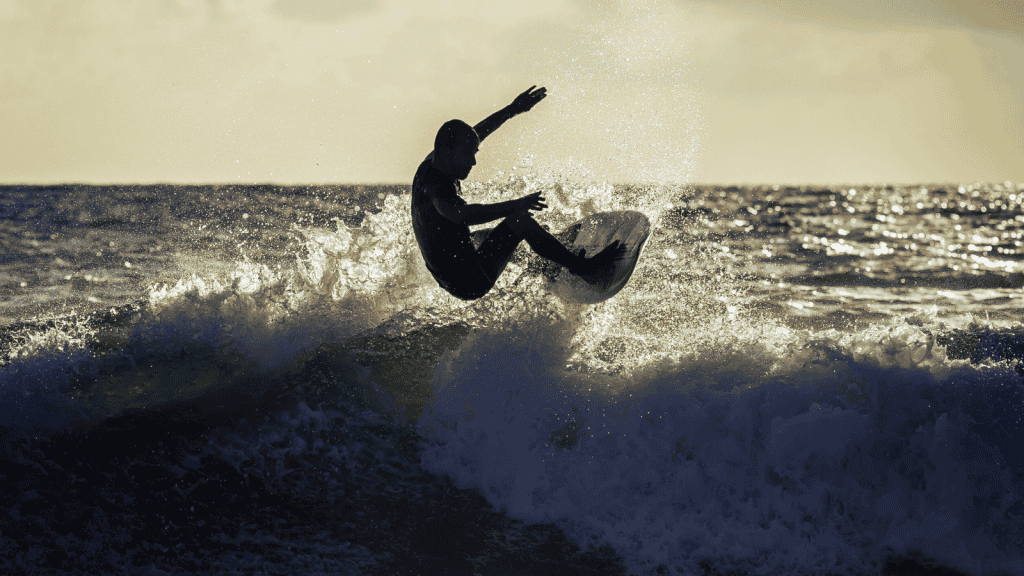
Now, if you’re an experienced surfer, you’ll know what I’m talking about. If you’re a beginner, I suggest you have a look at this quick guide to wave reading.
Keeping it simple, shorter periods usually mean weaker waves.
Now that doesn’t mean it’s not surfable. As a Mediterranean surfer anything over 7s period is surfable.
To put this into perspective, if you’re surfing in Portugal you’ll most likely surf swells with at least 10s +.
The Pros And Cons Of Surfing In The Mediterranean
Here’s a quick comparison list of both good and bad thing about being a med surfer
Pros
Cons
Best spots For surfing the Mediterranean Sea
There are good waves to be found all over the Med coastline. Here is your starting point:
Spain
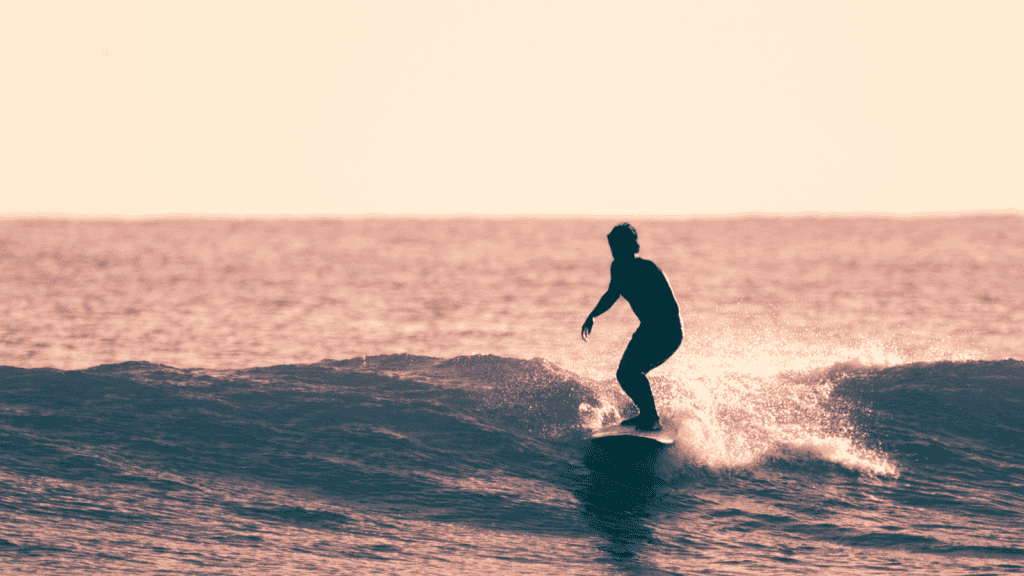
Spain’s Mediterranean coast offers small but surfable waves, especially in Catalonia and the Balearic Islands, like Mallorca.
You’ll need to chase winter storms, but when they hit, beaches like Barceloneta or Cala Mesquida light up with clean, uncrowded peaks—perfect for longboarders or relaxed shortboard sessions in a stunning cultural setting.
France
Corsica is a hidden surf paradise with crystal-clear water and dramatic backdrops. While the swell is not as consistent as the Atlantic coast, you’ll still find quality beach breaks and point setups.
It’s ideal for surfers who crave adventure, solitude, and the wild Mediterranean feel without the crowds of mainland France.
Check out the full guide on the best surf spots in the Med
Italy
Italy is the mainstream surfing destination for Med surfers.
Sardinia picks up wind swell from multiple directions, offering surprisingly good surf in places like Capo Mannu.
Sicily adds volcanic scenery to the mix, with fun waves near Catania and Palermo. These islands deliver charm, culture, and an authentic off-the-beaten-path surf trip.
Greece
Greece isn’t just about ancient ruins and island hopping—there’s surf too. Crete gets regular wind swell in winter, while the Peloponnese and Athens’ coastline offer rideable waves when storms roll in.
Conditions are hit or miss, but the backdrops and warm hospitality more than make up for it.
Israel and Lebanon
These Eastern Med gems receive surprisingly consistent swell in winter. Israel’s coastline is packed with surf breaks. While Tel Aviv is known for the surf-beach lifestyle, there are plenty of other sandy bottom waves to ride.
Lebanon, while lesser-known, hosts powerful winter waves and a passionate local crew. Both countries are cultural hotspots where you can surf and explore within the same day.
Spot-by-Spot Guide: Where Exactly to Surf in the Med
Now that you know which countries deliver, let’s zoom in on the actual breaks worth planning a trip around.
One OF The Best surf spots in the Mediterranean – Sardinia
Sardinia is an Italian island located south-west of Rome. The constant Mistral wind is the major factor in the quality and quantity of waves on the Sardinian coast.
The Mistral is a powerful, cold wind that blows from the north or northwest, sweeping down from southern France into the Gulf of Lyon in the northern Mediterranean Sea.
Spots like Buggerru, Portixeddu, and Capo Mannu deliver solid waves in winter.
The West Coast is mostly wild and untouched. leaving a great deal of unexplored surf breaks.

I recommend renting a car for the best chance of scoring waves.
If you go there in wintertime (Peak surf season, low tourist season), you can find amazing deals on car rentals!
I paid 5 euros a day for the car and then another 5 euros for insurance. That’s 10 euros a day to rent a car! To me, that was amazing at the time.
Oh, and did i mention a flight cost me 22 Euros? Yup, winter is the best!
Spanish Mediterranean- Barcelona
Barcelona is home to several beaches, but only a few offer good conditions for surfing.
Barceloneta is the most central, with rentals nearby and mellow swells perfect for surfers of all levels.
Bogatell is slightly less crowded and also offers calm waters, while Llevant, the furthest out, rarely gets any big surf unless storms roll in.
For more powerful and consistent waves, you’ll need to venture outside the city.
Castelldefels to the south is ideal for intermediate and advanced surfers, with long, spacious stretches and regular swells.
Másnou, located north, attracts experienced riders and can get crowded when the surf is good.
Most spots are fairly easily reachable by train, making day trips from Barcelona a great option to catch some decent waves on the Mediterranean coast.
More Than Ancient Ruins Greece- Crete
Greece is known for its blue rooftops, lazy beach days, and ancient history, but did you know you can also surf there?
Yes, the Island of Crete, specifically the island’s west coast, has a lot of potential.
While you won’t score any barrels or head hight waves, the novlty of catching waves in a place like Crete is worth it!
Come winter, westerly wind swells roll in strong, delivering shoulder-high waves over mostly sandy bottoms, though some rocks do creep into the lineup.
Falasarna, sitting on Crete’s wild western edge, is a jaw-dropping spot with golden sands, mountain backdrops, and even ancient ruins nearby.
Further south, Palaiochora faces directly west and can catch the occasional clean swell during winter storms. It’s best suited for beginners and intermediates, but with no local rentals or surf schools, you’ll need to bring your own gear or join a surf tour.
The East Side- Israel
Sitting on the east side of the Mediterranean, Israel gets a fair bit of swell year-round. While most of the year it’s small to meduim size waves (sometimes completly flat) it’s still on the surfing map.
It hosts the surfing championship in Netanya.
Their are many beaches to explore in Israel. If you’re heading north then Haifa is your best bet.
With places like Nirvana Beach, The Peak, and Backdoor being the most popular beaches in town.
Further south, you’ll find Bet Yanay, Natanya, and Tel Aviv. These are all places with great quality waves.
In Tel-Aviv, check out Hilton Beach for a perfect right-hand reef break suitable for advanced surfers. It’s known to be one of the best places to surf in Israel.
Just south of Tel Aviv, Maravi Beach is a sandy stretch known for its winter swells and fun, surfable waves in the warmer months. It’s one of the more consistent spots in the area, with both lefts and rights breaking near the stone jetties.
Travel North To- Lebanon
Now, I’ve never surfed in Lebanon, although it’s literally 2 hours from my hometown, Haifa. But I know for a fact that there are really good waves to be found.
All the swell coming towards the Israeli coast hits the Lebanese coast without any interruption and with the same force.
For the best chance of scoring waves, hit the town of Jiyeh. It offers a wide bay with beach breaks that could rival those on the Atlantic Coast.

Byblos, a UNESCO-listed city dating back to 5,000 BC, has a west-facing beach that draws both tourists and surfers.
Nearby, Batroun—another ancient coastal town—hosts a tight-knit surf scene with small coves that produce fun, clean waves for all levels.
The surf culture in Lebanon is booming with men and women from all ages, religous and belifes gathering to celebrate the true freedom of riding waves.
When is the Best Time to Surf in the Mediterranean?
While technically there’s surf year-round in the Mediterranean Sea, the best surf season runs from October to March, when low-pressure systems bring storm-generated swells across the region.
These months offer the most consistent wave windows, especially for wind swell setups.
It’s the sweet spot for surfers looking to score rideable waves without battling summer crowds or flat spells.
What to Expect in Summer vs Winter
Summer is mostly flat across the Med, with random short-period swells.
It’s great for other water activtys like snorkelling or swimming mainly. But when the waves do come you just appreciate that moment and go surf!
Winter brings the action, with wind-driven waves and bigger, surfable sets. Just pack some patience and a flexible attitude—conditions can change fast.
Tips for Checking Forecasts in the Med

Use tools like Windy and Surfline to track regional wind and swell activity.
But be ready to paddle out at a moment’s notice, because just as quickly as the waves arrive, they can vanish like they were never there.
Focus on storm systems 48–72 hours in advance, and learn how local wind patterns affect breaks.
Conclusion
Surfing the mediterranean coast is not on the bucket list for most surfers but it should be.
If you approach it with the right mindset (and the right timing), it can reward you with fun waves, wild landscapes, and a surf adventure like no other.
From Sardinia’s rugged coastline to Tel Aviv’s beach breaks, the Med is full of hidden gems waiting for curious surfers to paddle out.
Happy exploring!
Frequently Asked Questions
Is the Mediterranean Sea good for surfing?
If you’re after uncrowded lineups, cultural richness, and the occasional epic session, it’s more than good. It’s unforgettable.
Is the Mediterranean Sea rough?
While usually calm in summer, the Med can turn wild in winter due to sudden storms.
Does the Mediterranean Sea have waves?
Yes! The Med gets waves, mainly from wind-generated swells during the winter months.
Is the Mediterranean good for beginner surfers?
Yes! When conditions align, the mellow surf and warm water create perfect conditions for learning. Summer is your best option for those beginner friendly waves.